Monday, May 29, 2017

Classic Esse "S" Italian Breakfast Cookie

This is one of the most classic and popular cookies one will find in any bar/cafe in Italy.


(Updating this today, 2025.)
New Notes: 82% - 85% butter fat for butter is best.  Since powdered sugar in the USA has cornstarch, strongly suggest buy a small spice mill where you can blitz your organic florida crystals into powdered sugar just before using in the recipe. I make up to 300 gms of my own powdered sugar, store in glass with a terracotta disk, dried in the oven to absorb any moisture.  OMIT the cornstarch listed in recipe. It is not necessary even if you make your own powdered sugar. I find these cookies are better without it.  All purpose flour is better in this than pastry flour.  When dipping in chocolate, cool completely and use Ghirardelli's chocolate disks made specially for this purpose.  All other brands out there in the USA just don't cut it.   Also, add a nice pinch of fine salt.  If you can, blitz your own Baja Gold or Colima or Celtic salt.   I find weighing each ball around 20gm ea is the perfect size.  I roll each one, then press them down with creative things of weight I find. 

Some may be dipped in chocolate while others look a bit more like almond macaroons but this one here is the classic. It is wonderful dipped in a cappuccino or caffe latte.

400F Oven

320 gm unsalted softened butter. If you can find European butter that would be best. You can also use Ghee. 
180 gm Powdered Sugar

Cream together until smooth. 


Add:
4 egg yolks and mix until blended.


Add:
500 gm pastry flour (Farina 00), which can be found at Whole Foods, Winco bulk, and other specialty markets.
30 gm Corn Starch

mix dry ingredients together.  There is no need to sift if you weigh your flour. 

Blend flour into the mixture and mix until you have a nice ball of dough.


These bake best without parchment paper.  If you need to, grease your pans with spray olive oil.

Make meatball size or large melon ball size balls and place about 2 inches apart.

Flatten with a fork unless you use a pastry bag to make the "S" shape.

Bake for 15-20 minutes. These should have slightly browned edges.
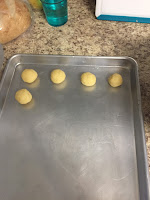
Cool and transfer to wire racks for complete cooling.  Store in wax paper lined tin.     

Sunday, May 28, 2017

Amazing Cauliflower Toast Hors d'oeuvres!

It could not be easier and for those who truly appreciate anchovies and anchovy butter toasts, this is a wonderful antipasto.


Preheat oven to 375 F

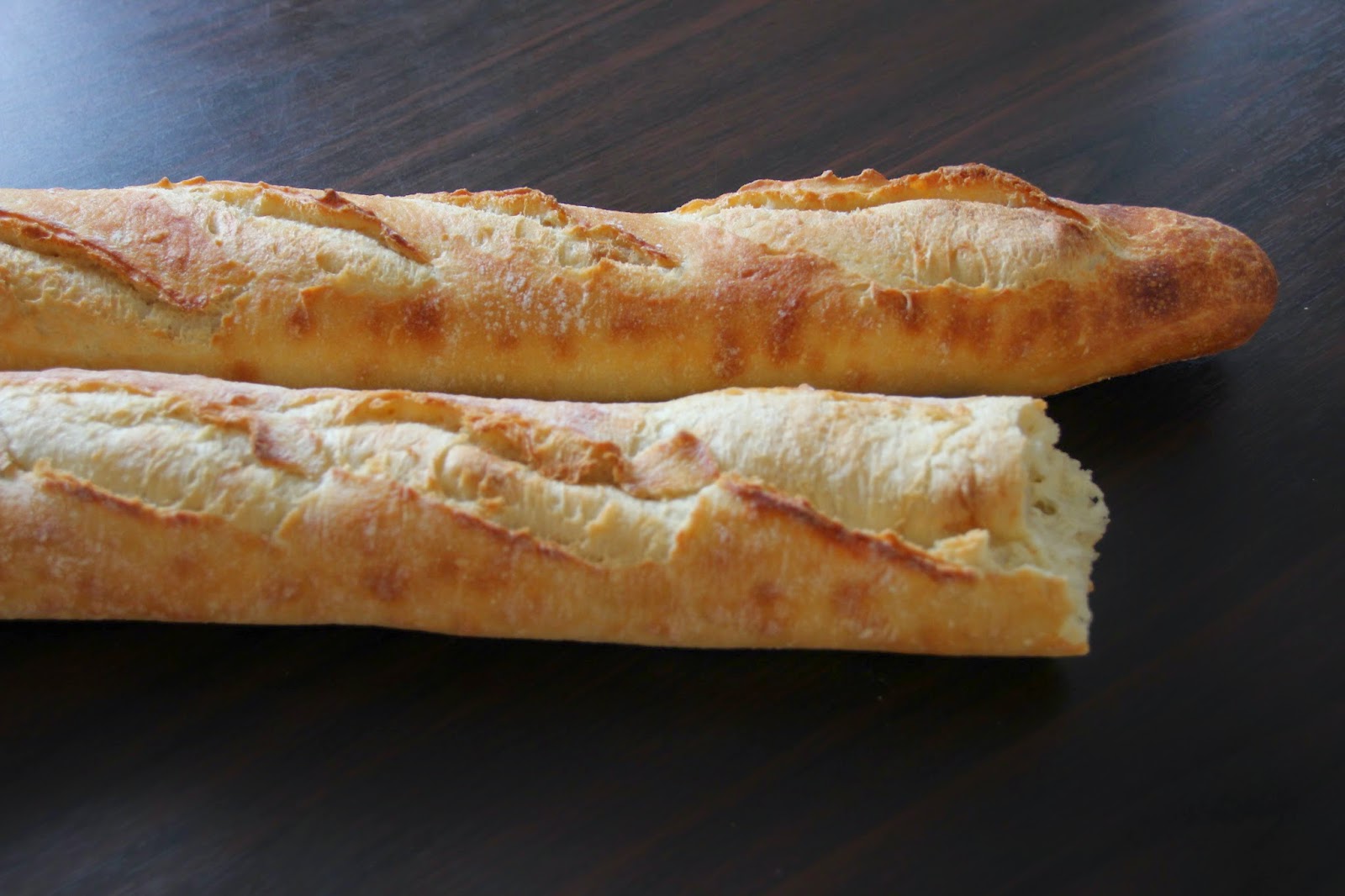
Baguettes
Pour 2-3 lugs or spoons of olive oil and 2 large cloves of garlic peeled into a medium casserole.

Cut the cauliflower, any size head is fine, into small pieces.  Place in a casserole and toss with oil and garlic, add salt and pepper to taste. 

Roast in oven for 20 min.  10 minutes into the roasting time, remove and stir the mixture and return to oven.

While this is cooking, slice the bread into 1/4 inch thick slices and arrange in one layer on a cookie sheet and place in oven to roast and dry out a little. Turn them if necessary.

Remove the cauliflower from oven and place in a ceramic mixing bowl or a mini chop or blender and puree everything together until you have a nice creamy mixture. 

Depending on how many people to serve you will need two or more flat cans of anchovies.  Best are by Cento or the ones in glass jars from Spain or Italy. 

Spoon a good amount of the cream onto the bread rounds, spread and place two quarter inch pieces of anchovy on top. Arrange on platter, decorate and serve. 


Friday, November 11, 2016

Truffles Galore!  

The Magic of Fresh Truffles


Burgundy black truffle
The scent of a fresh truffle is indescribable. It fills the room almost instantly when fresh, and the flavor is heady, sweetly earthy and luxurious. Regarded as the “diamond of the kitchen” by 18th-century French gastronome Brillat-Savarin, the truffle is internationally known for its prized and unmistakable flavor.
Symbiotic in nature, fresh truffles are found in the soil beneath oak, and sometimes beech and hazel trees. By drawing carbohydrates from the tree and converting the energy to construct filaments, the spores of truffles produce an expanding web of fungus beneath the soil. In return, these filaments on the root tip collect an abundance of nutrients for the tree. It is due to this essential relationship that the truffle is unable to be cultivated.
Once the fruit emerges from the filament, young truffles rapidly increase in size and weight during the heat of August and September months. Eventually the growth slows and the fruit begins to ripen, breathing an incredible perfume through the earth. As the autumn harvest reaches its peak, this gastronomic delicacy begins to emerge in the bustling outdoor markets across Italy and France.
White "Alba" truffle
White “Alba” truffle
The Italian white truffle (Tuber Magnatum) is most famously associated with the Piemonte town of Alba, in the province of Cuneo, Italy. While Alba was once the center of the Italian truffle harvest, due to over-harvesting, it is now quite rare to find a true “Alba” truffle. Today, Tuber Magnatum truffles of excellent quality are harvested in various parts of Italy including Umbria, Abruzzo and Le Marche. In the world of truffles, the whites are the finest and most highly regarded of all truffles. Their season runs from late October to late December, but they are usually depleted by January.
The Burgundy truffle (Tuber Uncinatum and also Tuber Aestivum), also known as the summer truffle, is grown throughout Europe including central-eastern France, northern Italy and eastern Spain. These truffles are readily available from September through November.
Burgundy Truffle

Sliced Burgundy Truffle
The winter black truffle (Tuber melanosporum) is typically sourced from the Périgord region of France. It is during the month of January when black truffles are at their peak, though available as early as December until late March.
Formaggio Kitchen is proud to offer these elusive, highly esteemed delicacies on a seasonal basis. To guarantee freshness and quality, all truffles are available by special order. Please feel free to approach a member of our produce team with any questions you may have or to place an order. We are also happy to take orders or answer questions via phone at: 617-354-4750.

Saturday, November 5, 2016

Zuppa di Porri - Authentic (guaranteed) Tuscan Leek Soup

This is the simplest most divine soup on the planet and will impress your guests beyond all limits.

This should take about an hour to prepare. Recommendations: use the best chicken broth available, bone broth (now available in tetrapak) is tops.  Use ONLY the white portion of the leeks. You may cut up to where it is yellow at the core but once it becomes more than halfway from the core out, yellow?  Stop. Save the rest for a broth or a stew or a roast. Obviously you will cut the dark green leafy portion off and toss.

Ingredients:
6 medium leeks with more than 2 inches of white at the base. If the leeks are smaller and have very little white at the base, use 12.
Parmigiano Reggiano or real Gruyere
50 gm butter
2 generous soup spoons of flour
1.5 liter broth
black pepper
Olive Oil EV First Cold Pressed

Since we do not have Tuscan bread here in the states, use the best French baguette you can find to make the cheese toasts. You may also make bread cubes toasted with olive oil and when hot from the oven, toss with parmigiano reggiano cheese to coat and place back into oven for a brief time to melt the cheese to the bread, set aside.  If you do choose to make croutons, use a good country loaf.

If using the French Baguette, slice thin, roast both sides in the oven, either broil or hot, hot oven. Once the second side is toasted, take out and place slices of real Gruyere cheese, place back in oven to melt.  When done, remove, cool and set aside. 

Method:
Thinly slice the leeks.
Melt butter in 2qt pot. When bubbly, add the leeks.

Saute on medium for 2 min. Add the flour using a sifter or strainer or just rain it in to the mix. You will be making a type of roux but with flour coated leeks. If you think you need a bit more flour, add it without worry. Turn up the heat a bit so you can try to get a toasted roux mix, stirring constantly. When it has a little toasted color, add all your broth at once. Bring to boil, then drop the temp to low. Cover and cook for 25 min. Uncover for the last 5 minutes. If it seems to runny, cook another 5 min or so to evaporate and if it turned out real thin, take some of the broth out in a small bowl, add flour by the teaspoon, stirring so you can add that to the pot without it clumping.  Add black pepper and stir. Taste to correct salt if necessary.  The leeks should be cooked so well they almost disintegrate making a nice thick but still fluid soup.

Serve in French onion type bowls or nice rustic Tuscan terracotta bowls. Garnish with a drizzle of olive oil, a little parmigiano and the toasts or croutons and any extra pieces of bread, place on the table to add while eating.


Thursday, September 29, 2016

Making Real Italian Food in the USA

This is a difficult subject for me because food quality in the US is so far below that of Italy.  I have resorted to the simplest dishes and even that can be a challenge. I researched Parmigiano Reggiano and Grana Padano and found that so many of the stores do not state whether it is real. 

I only trust it if I can see the rind with the stamps embedded. I saw Whole Foods selling what looked like fake Parmigiano with a ton of the heal/crust so you pay mostly for that instead of the heart of the cheese. I have truly ruined pasta dishes with grated "parmigiano" (what I thought was real) and come to find out  it was just imitation Italian hard cheese created here. This means, the word/name, Parmigiano should not be used because that is a protected name and the fake stuff needs to fall under the all inclusive name of Parmeasan (does Kraft ring a bell, or is that crap)?  It is impossible to re-create Parmigiano cheese here in the States for numerous reasons and, it is not cheap in Italy but at least in Italy there is a choice of types (there also exists Grana Trentino) and aging. If you have ever had the chance to eat 12 month Parmigiano Reggiano, fresh, tangy and just slightly grainy (amazing for a risotto al Parmigiano... )wow, it makes life difficult here in the land of Paramesans!

Grana Padano and Parmigiano Reggiano emerged thanks to the monks who reclaimed the marshlands of the Pianura Padana maintaining herds of cattle that grazed the fertile meadows. These herds produced an abundance of milk so they used what they needed, and transformed the remainder into a hard cheese that aged very well and in times of need and poverty had a great shelf life.

In that era, the cheese was all called Grana, after its fine grainy texture, though at some point most of the people in the provinces of Emilia Romagna split off from the main body of Grana production, calling their cheese Parmigiano Reggiano. 

Though the production techniques are similar, there are a couple of important differences. Both are made by combining the evening and morning milking in brass vats yet, for the Grana Padano, both batches of milk are skimmed, whereas with the Parmigiano, only one is skimmed. This makes Grana Padano a little less fatty than Parmigiano Reggiano, which in turn means that Grana Padano matures at a slightly faster rate than Parmigiano. Once the milk batches are combined they are heated to 33 C (about 88 F), the rennet is added and the curds are broken up to the size of a grain of rice. The curds are gathered into a mold (giving the cheese its classic flattened barrel shape) and this is then warmed to drive out some of the water. They are marked with the cheesemaker's marks and stamps, salted, dried and aged, with repeated inspections along the way using the hammer method.

In the end, it takes more than 1100 liters to make a 75-kilo form of cheese (15 liters of milk per kilo of cheese). Grana Padano can be marketed at 9 months, though most producers hold it for 16 or more, whereas Parmigiano can be marketed at 12 months, though most producers have held it for 24 or more. You can find 18 months.

I am sure you really did not want to read about this but it is critical to understanding why putting fake parmesan on pasta, for those who can discern the difference, makes the pasta experience hugely negative. In fact, one uses less real Parmigiano or Grana in the dishes because they flavor better. So it may cost more but you use less and, most important, it is all real! The regulations on milk production and cheese and cleanliness would knock the USDA health department on it's butt.

OK with that said, or vented, I can begin posting some recipes with American ingredients that might bring the flavor of the old country back to mind.  

Here is a link for buying the real thing.  You can find the real thing via Formaggio Kitchen  or here,
Order Parmigiano or this latest one, 2025, Emilia Food Love

Sunday, September 25, 2016

Cannelloni - Traditional Northern Dish

 
Cannelloni - Traditional Veal and Lean Beef
FILLING
60 gm butter
150 gm ground veal, lean
150 gm ground beef, highest quality, lean
1 onion
150 gm Parmigiano Reggiano grated
BĂ©chamel, or white sauce – 1 liter
(makes about 10-12)
Melt the butter and add a drop of extra v. olive oil. SautĂ© onion for 5 minutes then add the meat and continue cooking. When  the onion is cooked, take off the heat. Add half of the white sauce (see recipe below) that you made before cooking the meat, fresh ground pepper and the grated cheese. Set aside while preparing the lasagna strips.  


Bèchamel or white sauce: makes one liter
100 gm flour
100 gm butter
1 liter whole milk or low fat do not use skim milk
Melt the butter and add the flour. Cook for 1 minute on medium heat (it should bubble) or cook longer for a deeper flavor.  Take the roux off the heat and slowly add the cold milk in a small stream while whisking it into the roux. Once all the milk has been added and you are sure you do not have any lumps, return to heat and gradually bring to a boil. If it is too thick add a little more milk even cold. When ready, season with fresh ground pepper and nutmeg.  The white sauce should not be piping hot when preparing the cannelloni. The portion added to the meat can be hot however.  A note on white sauce. For these recipes you do not want a thick sauce, it needs to run a little so it will blend and bake together with the rest of the ingredients. 
 
Modenese Cannelloni (a slight variation, very delicate in flavor)
200 gm ground beef, lean, high quality
2-3 cloves garlic
one branch of rosemary
50 gm butter
50 gm grated Parmigiano Reggiano
Sauté ground meat with the chopped garlic and the whole branch of rosemary in the butter. Cook for 15 minutes and take off heat to cool. When almost cool, add the grated Parmigiano and stir. Set aside while preparing the Béchamel.
Add ½ liter bĂ©chamel and stir into the meat mixture set aside.
To prepare the pasta, either make it or if possible, buy fresh lasagna strips. If not, you will have to use a pastry bag to fill cannelloni shells (not as good as fresh pasta that is for sure and take forever to fill).New note; you may make a lasagna if shells are unavailable. Barilla in our stores has sheets of dry lasagna pasta, about 7 in long and 2.5 - 3 in wide. These layer nicely.  
Grease a baking pan with olive oil. Drizzle some white sauce on the bottom. If using fresh pasta strips, make rectangles about 8 in x 6in. Fill with a spoon of meat mix and roll. Place in the pan. Fill all the strips or rolls. When done you should have white sauce to drizzle over the tops of the cannelloni then toss a couple of handfuls of grated Parmigiano. Bake in a hot oven for 20 min. 375F until bubbly and browned. Serve immediately with a green salad. These are rich so you do not need anything else but salad and or veggies. 

Baked Orecchiette Pugliese


This is truly THE BEST baked pasta dish on the planet and it is authentic, a pure Italian dish, ancient recipe from Puglia. There are so many created baked pasta dishes but few are really what I would call Italian. This is one of the few and it is fabulous particularly if you are lucky enough to use fresh Perini or San Marzano plum tomatoes from your garden or, from Puglia and buffalo mozzarella. 
The only way to make this is by using the real ingredients and that means, real Parmigiano Reggiano or Padano and not aged over 18 months. If the cheese is older than 24 months, it will be override the delicate flavors of the tomatoes and mozzarella.

This can be made ahead by putting it together and refrigerating. This dish is great as leftovers and eaten cold too but it truly is a one course meal when hot just add a salad and a great red wine. Buon appetito!

-->
Preheat oven 400F
Put water on to boil and salt it well
Sea salt, fresh ground pepper
extra virgin olive oil
1 white onion, finely chopped
2 cloves garlic finely sliced
1 or 2 dried red chilies, crumbled
3 ½ lb ripe tomatoes or 3 14oz cans Perini or San Marzano peeled tomatoes
large handful of fresh basil leaves
1 tbl red wine vinegar (or less, depends on the tomatoes)
14oz dried orecchiette (see photos)
big handfuls of freshly grated Parmigiano
3 (5oz) balls of mozzarella di buffala (buffalo mozzarella or fresh-made soft mozzarella, the balls stored in water) This type of mozzarella, which is the only type that can be called mozzarella otherwise it has to be labeled "fior di latte," gives the dish a creamy and delicate flavor. Do not use Precious Mozzarella – this is not the real thing and makes a rubbery disgusting dish. Mozzarella is a low fat cheese by nature so looking for a part skim or all skim milk cheese is like an oxymoron in my book.

Heat a couple of lugs or two spoons of olive oil. Add onion, garlic and chili and slowly fry for about 10 minutes on med to low heat until softened but without any color.
If using fresh tomatoes, remove the core with the tip of a small knife, plunge them into the boiling water for about 40 seconds until the skin starts to come away, then remove with slotted spoon and remove the pan from the heat.
Put tomatoes in a bowl and run cold water over them. Slide the skins off, squeeze out the seeds, and roughly chop.
Add the fresh or canned tomatoes to the onion and garlic and a small glass of water. Bring to a boil and simmer for around 20 minutes. Put them through a food processor or blender to make a loose sauce (or hand blender). Tear the basil leaves into the sauce and correct the seasoning with salt, pepper and a tiny swig of red wine vinegar.
When the sauce tastes perfect, bring the water back to the boil. Add the orecchiette to the water and cook to very al dente, even under done since this pasta will cook again in the oven.
Drain and toss with half of the tomato sauce and a handful of Parmigiano Padano or Reggiano. Rub baking pan with a little olive oil. Layer a little pasta in the pan followed by tomato sauce, a handful of grated Parmigiano and 1 sliced up mozzarella ball. Then, repeat these layers until all ingredients have been used. end with a layer of mozzarella on top. If you need more, use it.
Bake for 15 minutes or until golden crisp and bubbling.

Castello Pavone, Ivrea - Piedmonte, Val d'Aosta Italy


Courtyard of the Castello


A very brief visit to Castello di Pavone in the town of Ivrea on the outskirts between the Val D'Aosta,  and Piedmonte, Italy was worth every Euro. Lucky to have come in on the tail of two groups who vacated that very day and the weekend before Valentines, we had the place all to ourselves. The historic site has been lovingly restored and is dutifully maintained. You will find yourself immersed in an environment with most of the modern comforts you might desire and a nice dash of hardship to remind you how difficult it is to live in a castle, even today.

The courtyard
 The owner is the only one who has a vehicle in the upper portion of the grounds; all us low-lifers must park below the dwelling and climb a nice steep set of flagstone stairs to the outer wall where there is a door built into the rock (remember this when you pack your bags...).  :-)  You must ring the bell to enter and the door will then slowly open automatically. As it opens the view beyond comes alive and you descend into a short tunnel of brick terraces until you arrive to the front of the castle. They provide help when asked, to bring your bags up to the castle and then to your room and if you are not young and strong, take the offer because the stairs do not end here. :-) Getting to your room could add in quite a few more and every step is worth it in my opinion. The staff is wonderful, helpful and happy.
Stained glass window of the suite
We were welcomed to our Royal Suite Pavone with a glass of Prosecco and promptly reserved our table in the dinning room for dinner. Having dinned there months prior, we knew dinner was a must; the ambience is fabulous.

The suite had one window and three portholes, yes a dark room with the dark wood ceiling but so typical of these old structures it just makes the whole experience more of an adventure.  There are no elevators here and I wondered how they received deliveries in the winter and during the rainy season because there is the old original river rock stone drive and I suppose their suppliers have a very difficult time during inclement weather (horribly slippery). Be sure to stop in the bar (the armory) and have a glass of wine and some outstanding appetizers.
Sunrise from the one window of the suite.


The dinning room is an experience and it is not just one room but made up of various adjoining rooms; one seems to be a little celestial room, up a few stairs off to the left of the fireplace in the main room and then to the right there is another room but I did not get a chance to see that one. The tables are large and round and stately; just perfect for a romantic and leisurely repast. The wine cellar is well stocked so you can accompany their excellent food with an excellent wine. If you stay more than one day, I suggest requesting to have your bottle of outstanding red wine opened before dinner to let it air. Such a shame to not order one of these wines because you do not have time to let it breathe properly. We suggested they try out a Vinturi and see for themselves how this could give them a greater amount of flexibility with client satisfaction (and sell more of those fabulous reds).

We did not have the chance to taste breakfast but I am convinced it was nothing shy of their standard. After a late dinner, there just was not room for breakfast even though they called at 10 to ask if we would like them to bring breakfast to our room. Check out is at 11 so if you would like a slower morning, I would ask them if they do late checkouts; even at a price it is worth it. The spell you fall into while there is  a shame to break so abruptly in the morning with the hassle of getting breakfast, packing and hauling your things back to the car. I was truly amazed watching these young waiters whisk platters of food up staircases to well hidden meeting rooms and small dinning areas for private parties and the like; I think I would have liked to have a job like that when I was young, what a great way to work and get exercise!         Feb 2011

Saturday, September 24, 2016

Heavenliness - Val d'Aosta, the Alps! 

 If you have never been to the Italian side of the Alps, which means taking in the fabulous Val d'Aosta, you have not lived! Culturally Aosta is loaded with ancient history from BC to the beautiful Roman Amphitheater ruins to the Alpine culture and modern day. Everywhere you gaze there are mountains framing your views, the town piazza is crowned with tall glaciers in the background and you can have it all while sipping caffe in the square. I love Val d'Aosta


The gastronomic pleasures of this area begin with the infamous Fontina DOP. This is the queen of the alpine meadows, a cheese made from raw milk, fragrant and alive. To be labeled or considered Fontina DOP, it must be made only from cows of the Valdostana breed that forage on local grasses and meadows. This is the cheese that gave birth, to la fonduta (fondue). It was from this awesome fonduta, that was transformed into the other versions of fondue in Switzerland. If you want to savor the original, this is where you need to be! Do not forget to try Fromadzo DOP too, another very special cheese of the area, mix of goat and cow's milk. 

This area is also ultra famous for the Lard d'Arnad DOP and the VallĂ©e d'Aoste Jambon de Bosses DOP. The prosciuto was an ancient gift for bishops and archbishops, produced in the city of Saint Rhemy-en-Bosses since the 14th century. The frigid stream of air that would come down to the valleys bordering with Switzerland and the long winter cold coupled with the manual labor of man, helped transform these raw prosciutti into authentic one-of-a-kind pieces. They are aged 12, 18 and 24 months and if you can find this ham, you must try it. 

The lard of Arnad is truly the jewel of the mountain peasant's world. Today it is found in the area for sale where previously, it was very difficult to find because it was the source of sustenance during those long harsh and cold winter months. As they say, living in the mountains is about 9 months of frigid cold and 3 months of just cold. So be sure to try ultra thin slices of this served on warm crusty pieces of bread; this is something you will come back for time and again. 

A few of the brands assuring you of quality and origin are Saveurs du Val D'Aoste as well as  Alpenzu. Alpenzu is another group of the Val d'Aosta guaranteeing the origin of the products sold. While at the hotel, we were lucky to taste chestnuts in honey as part of an appetizer and while shopping we stumbled on le tegole, famous cookies of the area, another must-try!  

While traveling make sure you do the castles of the region, they are fantastic!    
July 2010

Romantik Hotels - European Class

If you have not heard of this group of hotels, then you are in for a real surprise. This franchise has hotels all over Europe specializing in romantic getaways, spas, wonderful food and dinning as well as, stunning surroundings. I suggest ordering their catalog so you can see for yourself the smorgasbord of choices! If it is possible, at least for this creature, I will try to organize my business trips around staying in one of these hotels. You definitely get value for your money and are in lovely historical environments always family owned and operated so there is a nice sense of friendliness, lacking in the large hotels.Romantik
(June 2010)